Local SEO for Small Business: The 2026 Complete Playbook
How small businesses win local search in 2026 — Google Business Profile optimization, local schema markup, NAP consistency, review strategy, and the new AI search disciplines (GEO, AIO, AEO) that now affect 'near me' queries.
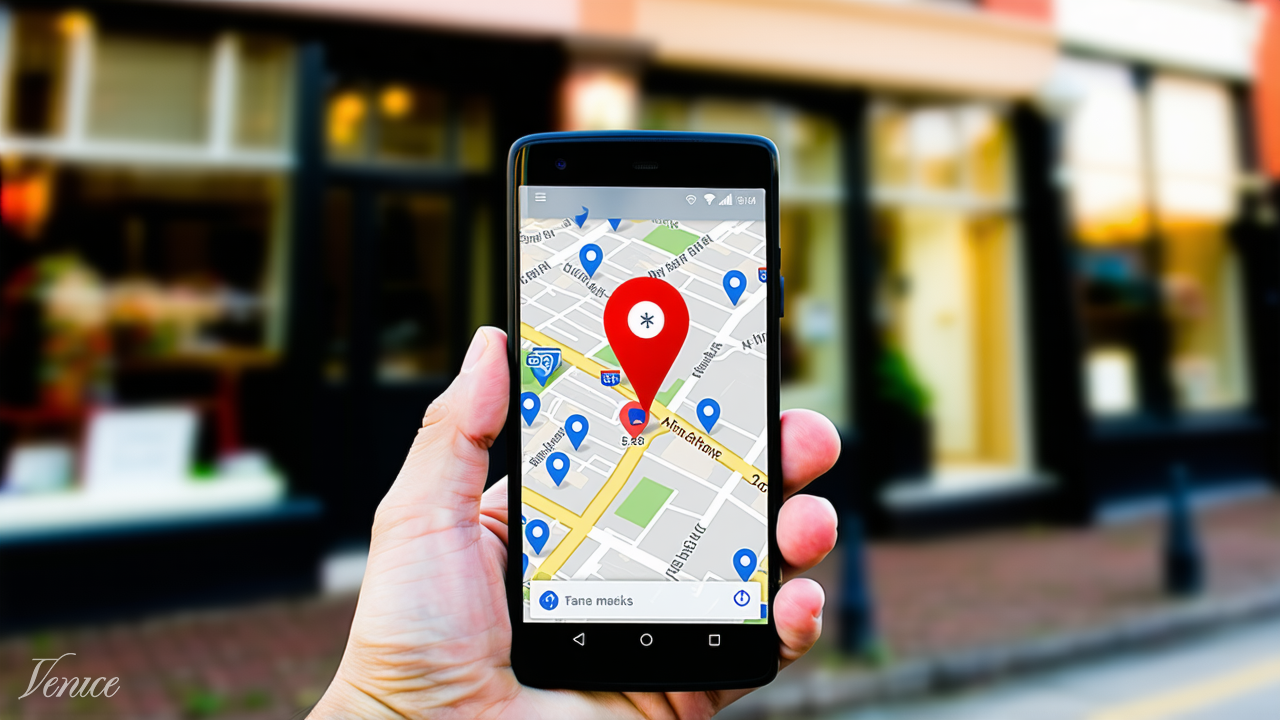
Local SEO in 2026 is six pillars: Google Business Profile, local schema, NAP consistency, reviews, on-page optimization for geo-modified keywords, and the new AI search architecture (GEO, AIO, AEO). Most small businesses do 1-2 of these well and leave the rest on the table. This playbook covers all six.
Local SEO is the highest-ROI marketing investment most small businesses can make. A roofer, plumber, lawyer, dentist, or wedding venue that ranks in the local pack for their service-area keywords gets a steady stream of high-intent leads — for free, every month, indefinitely. This is the 2026 playbook for actually winning that real estate.
The six pillars of local SEO in 2026
- Google Business Profile (GBP) optimization
- Local schema markup on your website
- NAP consistency across directories
- Review strategy
- On-page optimization for geo-modified keywords
- The new AI search disciplines (GEO, AIO, AEO)
1. Google Business Profile — the foundation
Your GBP listing is the single most important asset in local SEO. Google pulls from it for the local pack (the 3-pack of map results), the knowledge panel, and increasingly, AI Overviews answering "near me" queries.
What to do this week
- Claim and verify the listing if you haven't.
- Fill out every field: hours, services, products, attributes, business description, founding year, languages. Google rewards completeness.
- Add 25+ photos: exterior, interior, team, work in progress, finished projects. Local businesses with 100+ photos consistently outrank those with 10.
- Post weekly: GBP posts (announcements, offers, events) signal active management.
- Respond to every review within 24 hours. Yes, even the bad ones — especially the bad ones.
- Use Q&A: seed your own FAQs with the questions customers actually ask. Google indexes them.
2. Local schema markup
This is where most small businesses leave free ranking on the table. Google needs structured data to understand your business and surface it in rich results. Critical schema types for local:
- LocalBusiness (or a more specific subtype like
HomeAndConstructionBusiness,Restaurant,MedicalBusiness) - PostalAddress with full street address, city, region, postal code
- GeoCoordinates with lat/long
- OpeningHoursSpecification per day of the week
- AggregateRating matching your Google reviews
- Service or Product per offering with prices
Read more: What is SEO?
3. NAP consistency
NAP = Name, Address, Phone. Google cross-references your NAP across the open web (directories, citations, Yelp, BBB, industry-specific sites). If your phone is formatted differently in five places, Google's confidence in your data drops, and so do your rankings.
Action items
- Pick one canonical format for your phone number — e.g., "(615) 555-1234" — and use it everywhere.
- Make sure your address is identical down to "St." vs "Street" everywhere.
- Audit major directories: Google, Bing, Yelp, Facebook, BBB, Apple Maps, plus any industry-specific ones.
- Use a citation tool like Whitespark, BrightLocal, or Moz Local to find inconsistencies fast.
4. Review strategy
Reviews drive local rankings and they drive conversion rates once customers find you. The math is simple: more reviews + higher star average = more new customers.
How to actually get reviews
- Ask immediately after the work is done, while the customer's satisfaction is high. A text with a direct review link converts 4-5x better than email.
- Make the link one-tap: use Google's review shortlink tool to get a direct URL to your review form.
- Aim for 1-2 new reviews per week minimum. Steady velocity matters more to Google than bursts.
- Respond to every review. Reply text gets indexed and contributes to ranking signals.
5. On-page optimization for geo-modified keywords
Most small business sites have one homepage that vaguely targets "[their service]" and that's it. To rank for "[service] in [city]" — which is what customers actually search — you need:
- Service pages: one per major service you offer, with the service name in the title, H1, URL, and image alt text.
- Location pages: one per significant service area (not every tiny town — pick the 3-7 biggest). Each page is unique content about serving that area, not duplicate templates.
- Service + location combinations: for high-volume queries, dedicated pages like "Roof Repair in Franklin, TN" beat trying to rank a generic services page.
- Schema on every page: LocalBusiness on the homepage, Service schema on service pages, Place on location pages.
6. The new AI search disciplines
"Near me" queries increasingly happen on ChatGPT, Perplexity, Google AI Overviews, and voice assistants. Each has its own optimization discipline:
- GEO (Generative Engine Optimization): structure your site for citation by AI engines. Add an llms.txt summary, welcome AI crawlers explicitly in robots.txt, write factual citation-friendly content.
- AIO (AI Overview Optimization): get cited inside Google's AI Overview summary box. Use FAQPage and HowTo schema, write answer-first paragraphs (40-80 words restating the question, then answering directly).
- AEO (Answer Engine Optimization): win voice search and featured snippets. Add SpeakableSpecification to your FAQ schema, structure content as direct Q&A.
If you only optimize for traditional Google in 2026, you miss the searches happening in AI engines and voice assistants. More on ranking in AI search.
Local SEO checklist (printable)
- ✅ Google Business Profile claimed, verified, fully filled, 25+ photos, weekly posts
- ✅ LocalBusiness schema on homepage with full NAP, hours, GeoCoordinates, AggregateRating
- ✅ NAP identical across Google, Bing, Yelp, Facebook, BBB, and industry directories
- ✅ Active review request process delivering 1-2 new reviews per week
- ✅ Service pages for every offering, location pages for top 3-7 service areas
- ✅ FAQPage schema with answer-first content matching visible page
- ✅ HowTo schema for any process content (how to file a claim, how to choose, etc.)
- ✅ SpeakableSpecification schema on key answers
- ✅ llms.txt summary at site root, AI crawlers welcomed in robots.txt
- ✅ Page speed: 90+ on mobile PageSpeed Insights
What it costs to do this
Time-wise, this is 30-60 hours of one-time setup and 2-4 hours per month of ongoing work. Most small business owners can't justify the time. That's why Zorva Labs bakes all of this into every build we ship automatically — full schema, AI-search architecture, and local SEO foundations on day one. Ongoing content and link-building is available as an add-on and quoted with your build.
Want a free analysis of your current site?
We'll audit your existing local SEO foundation and send you a written report covering page speed, schema gaps, NAP issues, GBP optimization, and the top 3 fixes you can ship today. Request the free analysis.